Exploring the Flourishing Business of Pumpkins in the UK: A Comprehensive Guide for Gardeners
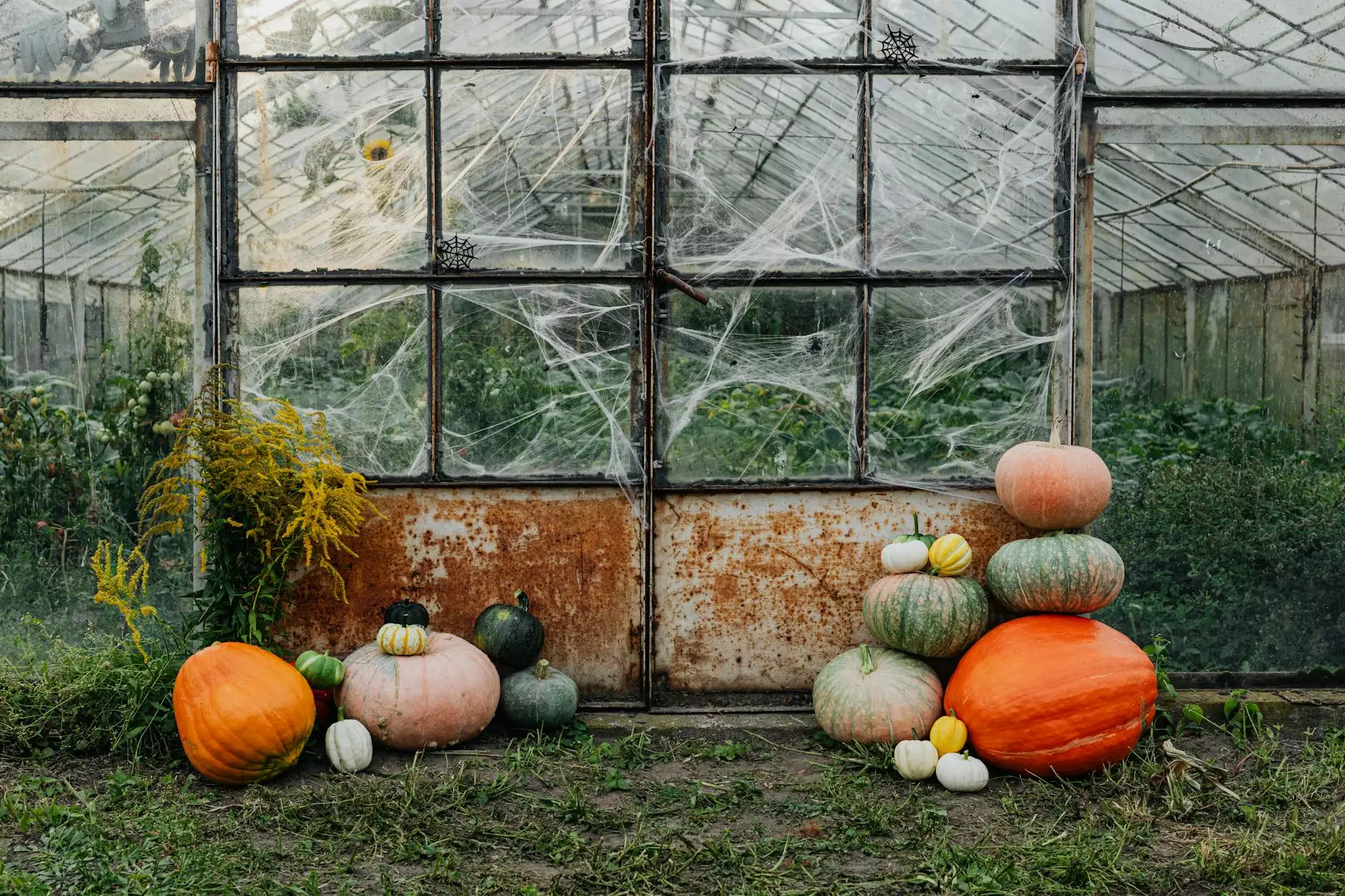
In recent years, pumpkin UK has emerged as a vibrant sector within the agricultural and horticultural industries, captivating the interest of seasoned gardeners and newcomers alike. The popularity of pumpkins spans from traditional autumnal displays and festive celebrations to advanced commercial farming, making it a profitable and sustainable business opportunity for those passionate about gardening and cultivation. This extensive guide delves into the multifaceted world of pumpkins in the UK, examining everything from cultivation techniques and varieties to market trends and business strategies, all tailored specifically for gardeners considering entering or expanding within this lucrative sector.
Understanding the Growth of the Pumpkin Business in the UK
The rise of the pumpkin UK industry can be attributed to numerous factors, including the increasing demand for locally grown produce, the popularity of pumpkin-themed events, and the expanding wholesale and retail markets. As more consumers seek natural, seasonal, and sustainable produce, pumpkins have become a staple in UK gardens and farms. Moreover, the diverse uses of pumpkins in culinary, decorative, and health-related applications contribute to continuous growth.
For gardeners aiming to capitalize on this trend, understanding market dynamics and consumer preferences is crucial. The UK climate generally favors pumpkin cultivation, provided that appropriate varieties and growing techniques are employed. The burgeoning interest in organic farming and eco-friendly practices further boosts the market potential, positioning pumpkins as an ideal crop for sustainable gardening entrepreneurs.
Choosing the Right Pumpkin Varieties for Your Business
The first step towards a successful pumpkin UK enterprise is selecting the right varieties that align with your business goals, climate, and market demand. Here are the most popular pumpkin varieties for UK gardeners and commercial growers:
- Decorative Pumpkins: Varieties like 'Mini Jack', 'Fairy Tale', and 'Google' are perfect for autumn displays and seasonal decorations.
- Culinary Pumpkins: Varieties such as 'Queensland Blue', 'Sugar Pie', and 'Hubbard' offer excellent flavor and culinary versatility.
- Giant Pumpkins: For novelty and competitive growing, varieties like 'Dill's Atlantic Giant' and 'Prizewinner' provide enormous fruits that can reach impressive weights.
Optimal Growing Conditions and Cultivation Techniques
Successful pumpkin cultivation in the UK depends on understanding and replicating optimal growing conditions. Pumpkins thrive in well-drained, fertile soil with plenty of organic matter. The following techniques enhance yield quality and quantity:
Soil Preparation
Prior to planting, ensure your soil has a pH level between 6.0 and 7.0. Incorporate compost or well-rotted manure to enrich fertility. Conduct soil testing to address any deficiencies and improve nutrient availability.
Planting Time and Spacing
In the UK, the best time to plant pumpkins is late April to early May, after the risk of frost has passed. Use seed-starting indoors or transplant nursery-grown seedlings for a head start. Maintain adequate spacing—about 90-120cm between plants—to allow ample growth and air circulation.
Watering and Mulching
Pumpkins require consistent moisture, especially during flowering and fruit setting stages. Using organic mulch helps conserve soil moisture, suppress weeds, and maintain a stable root temperature.
Crop Care and Pest Management
Monitor for common pests such as aphids, squash bugs, and vine borers. Employ integrated pest management (IPM) strategies, including natural predators and organic pesticides. Regular pruning and training aid in disease prevention and improve fruit access to sunlight.
Maximizing Yield and Quality for Business Success
To thrive in the pumpkin UK market, focus on maximizing both yield and quality. Techniques include:
- Pollination: Encourage natural pollinators like bees to ensure healthy fruit set. Hand pollination can be used if necessary.
- Fertilization: Use a balanced fertilizer during early growth and a higher potassium and phosphorus mix during flowering and fruit development.
- Harvesting: Harvest pumpkins at their mature stage—deep coloration, hardened skin, and full size. Proper harvesting prevents pre-harvest rotting and extends shelf life for sale.
Market Opportunities and Business Strategies
The pumpkin UK market offers numerous opportunities across various channels:
- Farmers’ Markets: Direct sales to consumers seeking fresh, locally grown pumpkins.
- Wholesale Supply: Providing pumpkins to retailers, supermarkets, and garden centers.
- Specialty Events and Festivals: Participating in autumn festivals, pumpkin festivals, and seasonal fairs offers exposure and sales potential.
- Online Commerce: Selling pumpkins, seeds, and decorative items through e-commerce platforms extends market reach.
To succeed, develop a detailed business plan that includes seed selection, crop management, marketing strategies, and financial projections. Building relationships with local buyers and actively promoting your pumpkins' quality and sustainability credentials can significantly boost sales.
Innovative Uses and Trends in the Pumpkin Industry
The modern pumpkin UK business encompasses a broad range of innovative applications beyond traditional culinary and decorative uses:
- Organic and Health Products: Pumpkin seeds, pumpkin oil, and pumpkin-based smoothies are gaining popularity for their health benefits.
- Green Energy and Biofuel: Research is underway into utilizing pumpkin biomass for sustainable energy solutions.
- Eco-friendly Packaging: Pumpkins as biodegradable packaging material; edible packaging innovations are emerging trend.
- Educational and Community Projects: Growing pumpkins as part of school or community gardening initiatives fosters awareness and stimulates local economies.
Environmental and Sustainability Considerations
Sustainable gardening practices are at the heart of the modern pumpkin UK industry. Key considerations include:
- Crop Rotation: Prevent soil depletion and disease build-up by rotating pumpkins with legumes or other crops.
- Organic Farming: Minimize chemical inputs, promote biodiversity, and use organic fertilizers.
- Water Conservation: Employ efficient watering techniques such as drip irrigation.
- Waste Reduction: Use pumpkin pulp and peelings for composting or animal feed, minimizing waste.
Conclusion: Embracing the Business Potential of Pumpkins in the UK
The pumpkin UK industry offers compelling opportunities for gardeners eager to expand their horticultural ventures into profitable, sustainable, and creative markets. With careful variety selection, precise cultivation techniques, and strategic marketing, establishing a successful pumpkin business is within reach. As consumer preferences continue to evolve toward natural and local products, pumpkins stand poised to become a cornerstone of the UK's agricultural landscape. For gardeners, embracing this vibrant crop not only enhances personal satisfaction but also provides a pathway to economic growth and community engagement.
Whether you aim to grow pumpkins for festive sales, gourmet markets, or educational projects, the key lies in dedication, innovation, and an understanding of market trends. By investing in quality seeds, adopting eco-friendly practices, and engaging actively with your community, you can thrive in the exciting and rewarding world of pumpkin UK cultivation and business.