The Ultimate Guide to App Builders in 2021: Transforming Mobile Software Development
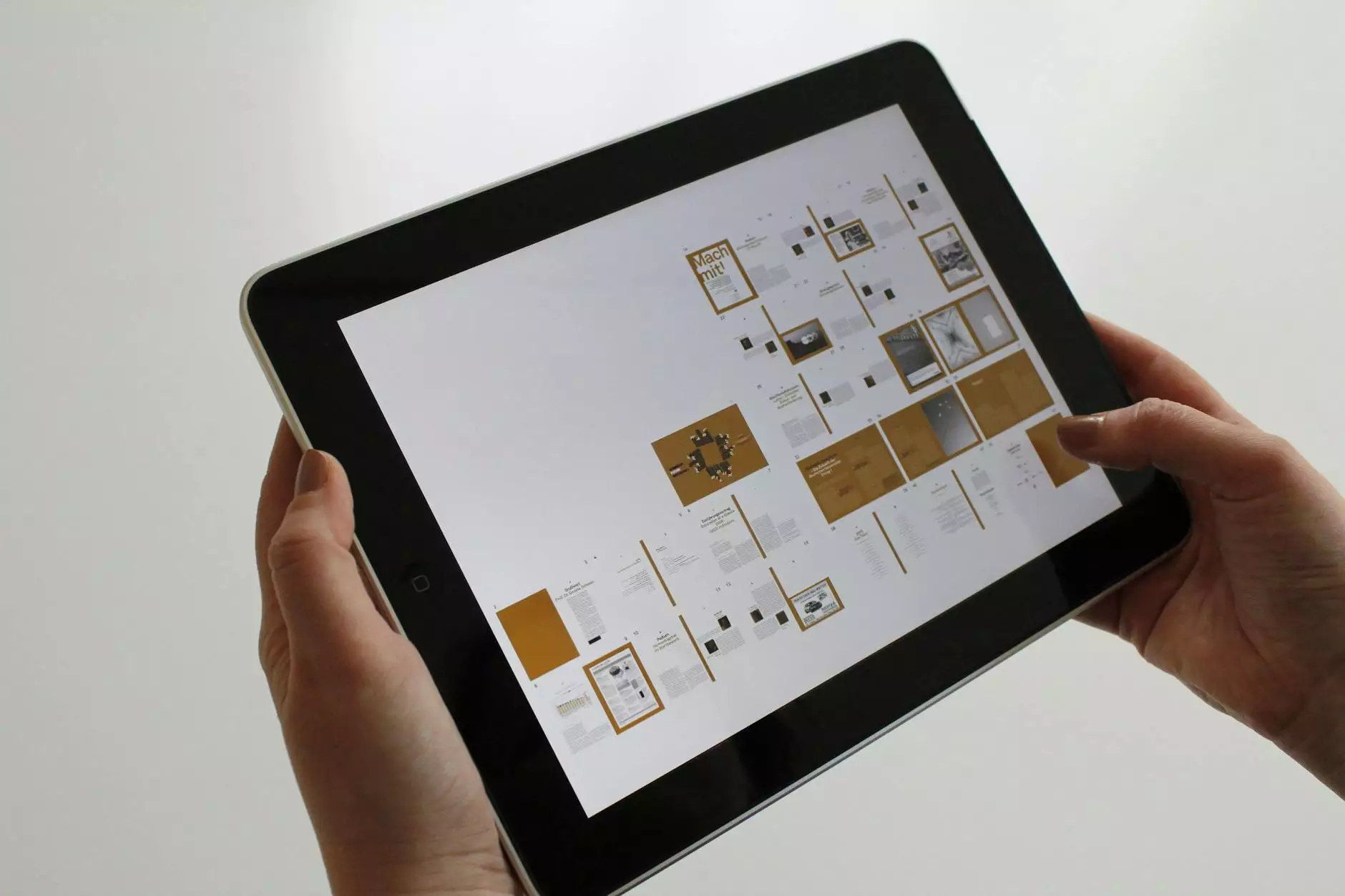
The year 2021 has been significant for mobile phones and software development, with numerous innovations transforming the landscape of app creation. The rise of no-code platforms and sophisticated app builders has made it easier than ever for businesses and individuals to create their own applications without extensive programming knowledge. In this article, we will explore what an app builder 2021 is, how it works, and why it’s essential for entrepreneurs and developers alike.
What is an App Builder?
An app builder is a software development tool that allows users to create applications without the need for detailed coding knowledge. These platforms provide pre-designed templates, drag-and-drop features, and various customization options, enabling users to craft professional-quality mobile applications quickly and efficiently. The growth of app builders has democratized app development, making it accessible for small businesses and indie developers who may not have the resources for extensive programming teams.
Why Use an App Builder in 2021?
Leveraging an app builder 2021 offers several advantages:
- Cost Efficiency: Traditional app development can be incredibly expensive, especially for startups. App builders significantly reduce costs since they don't require hiring skilled developers for every aspect of the project.
- Speed of Development: Building an app can take months with conventional methods. App builders allow users to create functioning prototypes and final products in a matter of weeks, sometimes even days.
- User-Friendly Interface: Most app builders come with intuitive interfaces that allow even those with limited tech skills to construct their own apps. Features such as drag-and-drop functionality make the process seamless.
- Integration Options: Many app builders provide easy integration with various third-party services and APIs, helping businesses enhance their app's functionality without extensive coding.
- Flexibility and Customization: Users can customize their applications extensively, ensuring that the final product meets their unique branding and functional requirements.
Top App Builders in 2021
Here are some of the leading app builders in 2021, each offering unique features tailored to different needs:
1. Nandbox
Nandbox stands out due to its comprehensive features that cater to both businesses and individual users. It allows for the creation of mobile apps with little to no coding knowledge. With its cloud-based architecture, rapid development capabilities, and robust support, Nandbox is suitable for small businesses aiming to expand their digital presence.
2. Adalo
Adalo allows users to create both web and mobile applications using a simple drag-and-drop interface. This platform emphasizes design, enabling users to leverage high-quality components to enhance the user experience. It also offers database management features, which is a plus for app developers looking to introduce complex functionalities.
3. Appy Pie
Appy Pie is known for its user-friendly platform and the ability to create apps for various platforms, including iOS and Android. It supports app integration with various APIs, making it flexible for businesses looking to scale.
4. BuildFire
BuildFire is a robust platform that provides advanced customization options. It's especially popular among businesses looking to build apps with specific branding and features, including eCommerce portals, event management systems, and more.
5. Thunkable
Thunkable is particularly appealing to educators and beginners due to its extensive tutorials and community support. It allows users to experiment and play with different design elements, making app development a fun, exploratory process.
Key Features to Look for in an App Builder
When choosing the right app builder 2021 for your needs, consider the following features:
- Ease of Use: The platform should have an intuitive interface that simplifies the development process.
- Customization Options: Look for app builders that allow you to modify templates extensively and create a unique product.
- Integration Capabilities: Ensure the builder supports integration with third-party services, such as payment gateways, CRM systems, and more.
- Customer Support: Reliable customer support can help resolve issues quickly, making the development process smoother.
- Pricing Structure: Understand the pricing model of the platform and ensure it aligns with your budget and expected app scaling requirements.
The Future of App Development with No-Code Platforms
The no-code and low-code movement has gained immense traction in recent years, especially in 2021. These app builders enable business owners and individuals to take control of the development process, freeing up resources that would otherwise be spent on hiring developers or outsourcing. This shift allows for:
- Faster Deployment: With streamlined development processes, businesses can get their apps to market quicker, gaining a competitive edge.
- Innovation and Creativity: Non-developers can bring their ideas to life, leading to more innovative solutions being introduced into the market.
- Empowerment of Non-Technical Users: By removing technical barriers, businesses empower their teams to contribute to app development, leading to better alignment with customer needs.
Case Studies: Successful Apps Built Using App Builders
Several successful applications were developed using app builders, highlighting their potential:
1. The Social Connector App
This app was developed using Nandbox and allows users to connect based on shared interests. Utilizing Nandbox's extensive customization features, the creators built a user-friendly interface that promotes engagement and community building.
2. Fitness Journey App
Developed on Adalo, this fitness tracking app allows users to log their workouts, share progress, and motivate one another. The easy-to-customize templates and seamless integration of tracking features provided a robust platform to launch this community-driven app.
Challenges of Using App Builders
While there are many advantages to using app builders, it’s essential to address some potential challenges:
- Limited Customization for Complex Applications: While many app builders offer various templates and customization options, they may not cater to highly specialized or complex app requirements.
- Dependency on Platform: Relying on a third-party service can create challenges if the platform experiences downtime or if changes in pricing occur.
- Scalability Issues: Some app builders may not support significant scaling, which could become a concern as your user base grows.
Conclusion: The Power of App Builders in 2021
The landscape of software development has significantly evolved, with app builders playing a crucial role in the democratization of app creation. As we have explored, the advantages of using an app builder 2021 far outweigh the challenges for most users. By utilizing the right tools, businesses can innovate more swiftly, reduce costs, and ultimately bring valuable applications to their users.
For those interested in diving into app development, platforms like Nandbox offer the necessary features and support to turn your vision into reality. Whether you're a small business, an aspiring entrepreneur, or simply someone with a groundbreaking app idea, 2021 is the year to embrace the tools that empower you. Start your journey today!