The Ultimate Guide to Professional Knife Sharpening Services
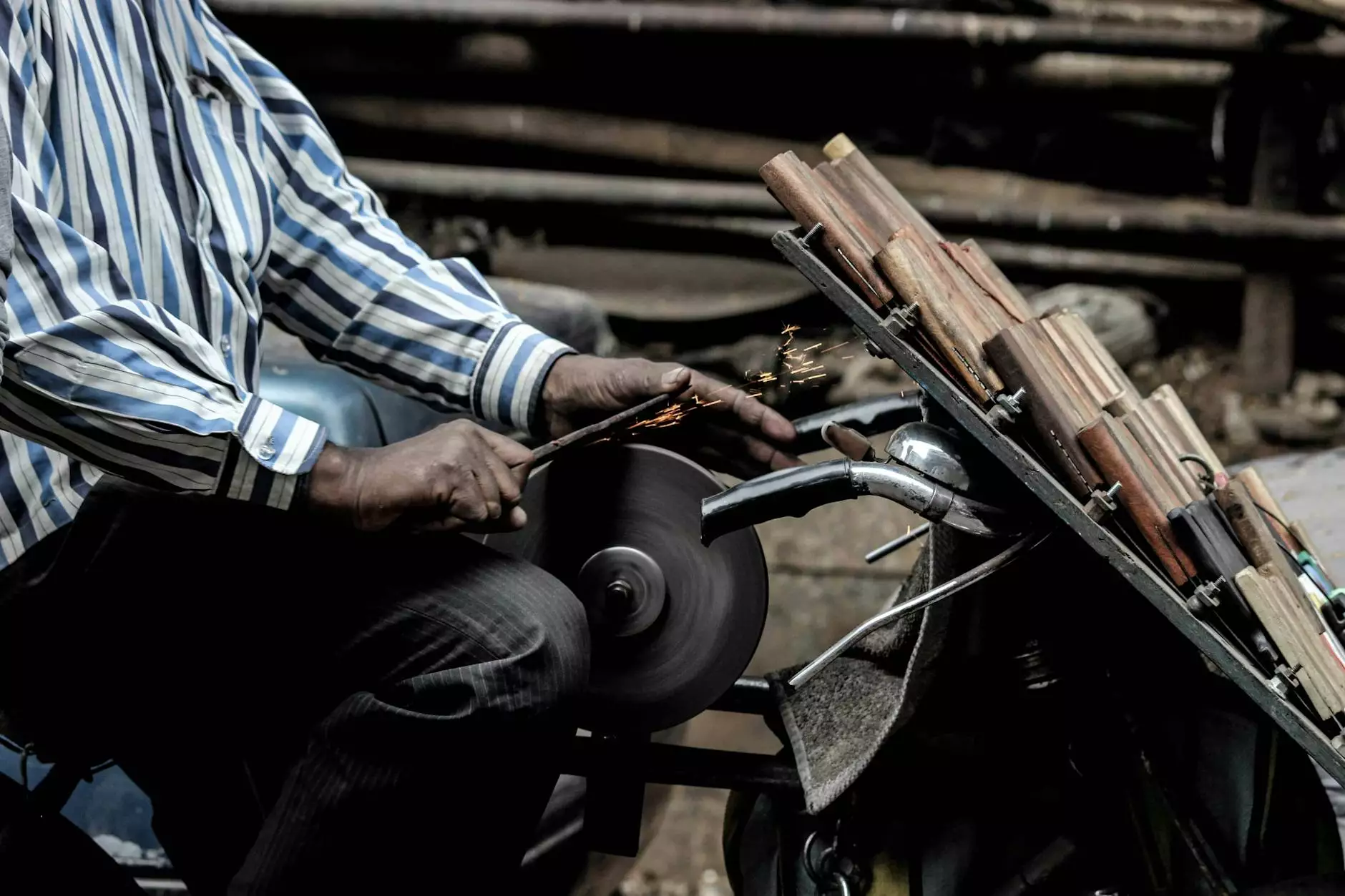
In the world of culinary arts, a sharp knife is not just a tool; it's an extension of a chef’s skill. A well-honed blade allows for precise cuts, enhancing both the presentation and the flavor of your dishes. Unfortunately, over time, even the best knives dull and lose their edge, which can significantly impact your cooking efficiency and safety. This is where professional knife sharpening services, like those offered at https://www.szblade.com/, come into play.
The Importance of Knife Sharpening
Knife sharpening is more than just a routine maintenance task; it’s a crucial aspect of culinary performance. Dull knives can lead to:
- Increased Risk of Injury: A dull knife requires more force to cut, increasing the chance of slips and accidents.
- Poor Cut Quality: A sharp knife makes clean, precise cuts, allowing for better cooking results and food presentation.
- More Time Consuming: Dull knives slow down the chopping, slicing, and dicing processes, making food preparation longer.
How Professional Knife Sharpening Services Enhance Your Culinary Experience
When you choose a professional knife sharpening service such as https://www.szblade.com/, you are investing in the longevity and effectiveness of your culinary tools. Here's why opting for professional sharpening is advantageous:
Expertise and Precision
Professionals trained in knife sharpening possess the knowledge and skills to choose the right techniques based on the type of knife and its intended use. They understand how to:
- Assess the condition of the blade accurately.
- Select appropriate sharpening tools, such as whetstones, honing rods, or electric sharpeners.
- Apply the correct angle for sharpening, ensuring a perfect edge that suits the knife's design.
Quality Control
Professional knife sharpening services often have quality control measures in place to ensure that each knife meets a certain standard before it's returned to the owner. This can include:
- Visual inspections.
- Testing the sharpness with various materials.
- Double-checking the balance and integrity of the knife.
Convenience
Sharpening your knives at home can be time-consuming and requires a certain level of skill. By utilizing a professional service, you save time and effort, affording you more time to focus on what matters most—cooking.
What to Look for in a Professional Knife Sharpening Service
When searching for a reputable knife sharpening service, consider the following factors:
Experience and Reputation
Check for reviews and testimonials. A well-established service with positive feedback is more likely to meet your expectations.
Range of Services
Some services may offer additional features, such as:
- Repairing chips and dents in blades.
- Customizing the grip or handle of knives.
- Offering sharpening services for other equipment, such as kitchen scissors or garden tools.
Pricing
While price shouldn't be the sole determining factor, it’s wise to find a service that offers transparent pricing and doesn't compromise on quality. Compare rates between different services to ensure you're getting value for your money.
The Knife Sharpening Process Explained
The knife sharpening process typically involves several steps, each essential for delivering a sharp, effective blade:
Step 1: Inspection
The sharpening technician will look closely at your knife to identify any issues, such as nicks, chips, or uneven edges. This initial inspection is critical for determining the best sharpening approach.
Step 2: Grinding
The technician uses a grinding tool (like a whetstone or sharpened wheel) to establish the primary bevel. This is where the bulk of the work is done, reshaping the edge of the blade to its optimal angle.
Step 3: Honing
After grinding, the blade is honed, which means aligning the microscopic teeth of the edge for a finer finish. This step is crucial for achieving a razor-sharp edge.
Step 4: Polishing
The final touch involves polishing the blade to enhance its sharpness and appearance. A polished knife not only looks good but also resists rust and corrosion more effectively.
Maintenance Tips for Keeping Your Knives Sharp
Your relationship with your knives shouldn't end after sharpening. Proper maintenance is key to extending the life of your blades:
Use the Right Cutting Surface
Always use wooden or plastic cutting boards to avoid dulling the knife's edge. Glass or ceramic boards can cause your knife to lose its sharpness more quickly.
Regular Honing
Invest in a honing rod and use it regularly to realign the blade's edge between professional sharpenings. This can make a significant difference in maintaining sharpness.
Safe Storage
Store your knives in a knife block, magnetic strip, or sheaths. This minimizes damage to the blades and keeps them safely out of reach.
Conclusion: Elevate Your Culinary Skills
Professional knife sharpening services, like those available at https://www.szblade.com/, are essential for anyone serious about cooking. By keeping your knives sharp and well-maintained, you can enhance not only your efficiency in the kitchen but also the quality of your culinary creations. Whether you’re a home cook or a professional chef, investing in professional knife sharpening is vital for your success. Don't let dull knives hinder your culinary adventures; seek out expert services to experience the difference.
Next Steps
If you’re ready to elevate your kitchen experience, visit https://www.szblade.com/ today to discover more about their professional knife sharpening services and get your culinary tools back to prime condition.