The Impact of Counterfeit Pounds on Health and Medical Businesses
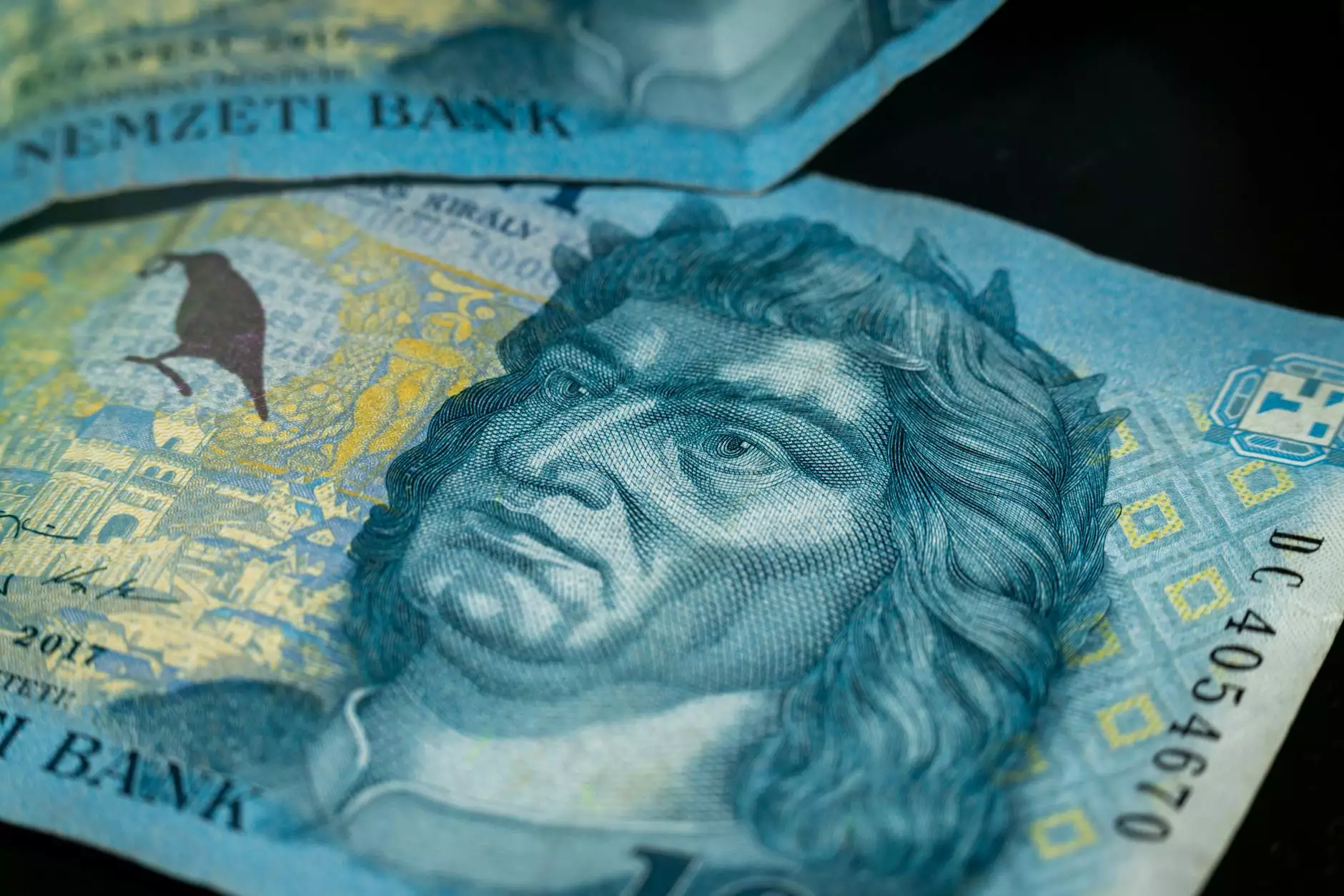
The rapid evolution of the global economy has brought forth numerous challenges for businesses, especially within the health and medical sectors. One of the most pressing issues facing these industries today is the proliferation of counterfeit pounds. This article delves deep into the implications of counterfeit currency, especially in healthcare settings, and underscores the importance of authenticity and security.
Understanding Counterfeit Pounds
To effectively navigate the landscape of counterfeit currency, it is vital to grasp what counterfeit pounds are. Counterfeit pounds refer to fake currency that is designed to mimic genuine banknotes. As technology advances, counterfeiters have become increasingly skilled, creating fake notes that can be difficult to detect. The existence of these counterfeit currencies poses serious risks to businesses, particularly in sensitive industries like health and medicine.
The Risks Posed by Counterfeit Pounds in Health & Medical Businesses
Incorporating counterfeit pounds into a health or medical practice can lead to dire consequences. Here are some major risks:
- Financial Loss: Accepting counterfeit currency can lead to significant financial repercussions, impacting cash flow and overall profitability.
- Reputation Damage: Businesses that fall victim to counterfeit currency risk damaging their reputation with patients and customers, which can take years to rebuild.
- Legal Consequences: Involvement with counterfeit currency can lead to legal ramifications, including fines and potential jail time for individuals who unknowingly accept counterfeit money.
- Supply Chain Disruption: Counterfeit currency can disrupt the supply chain, affecting the acquisition of medicines and medical equipment, leading to shortages and impacting patient care.
How Counterfeit Pounds Affect the Pharmacy Sector
The pharmacy sector is particularly vulnerable to counterfeit pounds, given its reliance on transactions and cash flow. Understanding how these counterfeit bills impact pharmacies is crucial for effective management and risk mitigation. Here are a few key points:
1. Compromised Patient Safety
When pharmacies deal with counterfeit pounds, there can be a trickle-down effect on patient safety. For instance, if a pharmacy is forced to cut costs to compensate for losses incurred from accepting fake currency, they might resort to purchasing lower-quality or even counterfeit medications themselves. This cycle can threaten the health and safety of patients who rely on these medications for treatment.
2. Increased Operational Costs
Pharmacies must invest in security measures to combat the threat of counterfeit pounds. This includes training staff on detection methods and implementing advanced cash handling practices. While necessary, these measures can increase operational costs, which may be passed on to customers, thereby making health care less accessible.
3. Trusted Partnerships at Risk
Pharmacies build relationships with suppliers and health organizations. Instances of dealing with counterfeit pounds can jeopardize these partnerships, leading to reduced trust and collaboration opportunities. Suppliers may hesitate to work with pharmacies perceived to engage with counterfeit operations.
Preventive Measures Against Counterfeit Pounds
Businesses within the health and medical sectors can implement various strategies to mitigate the risks associated with counterfeit pounds effectively. Here are some recommended preventive measures:
1. Enhanced Staff Training
Regular training sessions on identifying and handling counterfeit currency should be a priority. Pharmacists and staff should be educated about the latest security features of genuine banknotes and the common traits of counterfeits. Empowering staff with knowledge will enhance detection capabilities.
2. Investing in Security Technology
Utilizing security technologies, such as ultraviolet (UV) light detectors and high-resolution currency scanners, can greatly reduce the chances of accepting counterfeit pounds. These technologies can quickly identify security features that differentiate real banknotes from fakes, providing an additional layer of protection.
3. Establishing Strict Transaction Protocols
Pharmacies should implement strict procedures for cash transactions. Requiring verification steps can help identify counterfeit notes before they enter the business system. For example, limiting cash payments over a certain amount may reduce the risk of counterfeit currency making its way into the pharmacy.
Regulatory Compliance and Reporting
Compliance with local regulations is vital in combating the impact of counterfeit pounds. Businesses should remain informed about laws relating to counterfeit currency and know the procedures for reporting an incident if they encounter it. Establishing a clear reporting mechanism for counterfeit incidents is essential, as this can assist law enforcement in taking necessary actions against counterfeit operations.
Conclusion
In summary, the threat of counterfeit pounds is a significant concern for health and medical businesses, particularly pharmacies. The financial losses, operational disruptions, and reputational damage that can ensue are severe. However, by implementing effective preventive measures, enhancing staff training, investing in security technologies, and following regulatory compliance, businesses can protect themselves against the risks associated with counterfeit currency. Taking proactive steps is essential in ensuring the safety of patients and the integrity of the health and medical sector overall.
Understanding and addressing the challenges posed by counterfeit pounds will not only safeguard the financial interests of pharmacies and health businesses but also reinforce the trust and safety that patients deserve. By prioritizing authenticity and security, businesses in the health and medical sectors can flourish in an increasingly complex landscape.