The Ultimate Guide to Aircargo Track and Trace
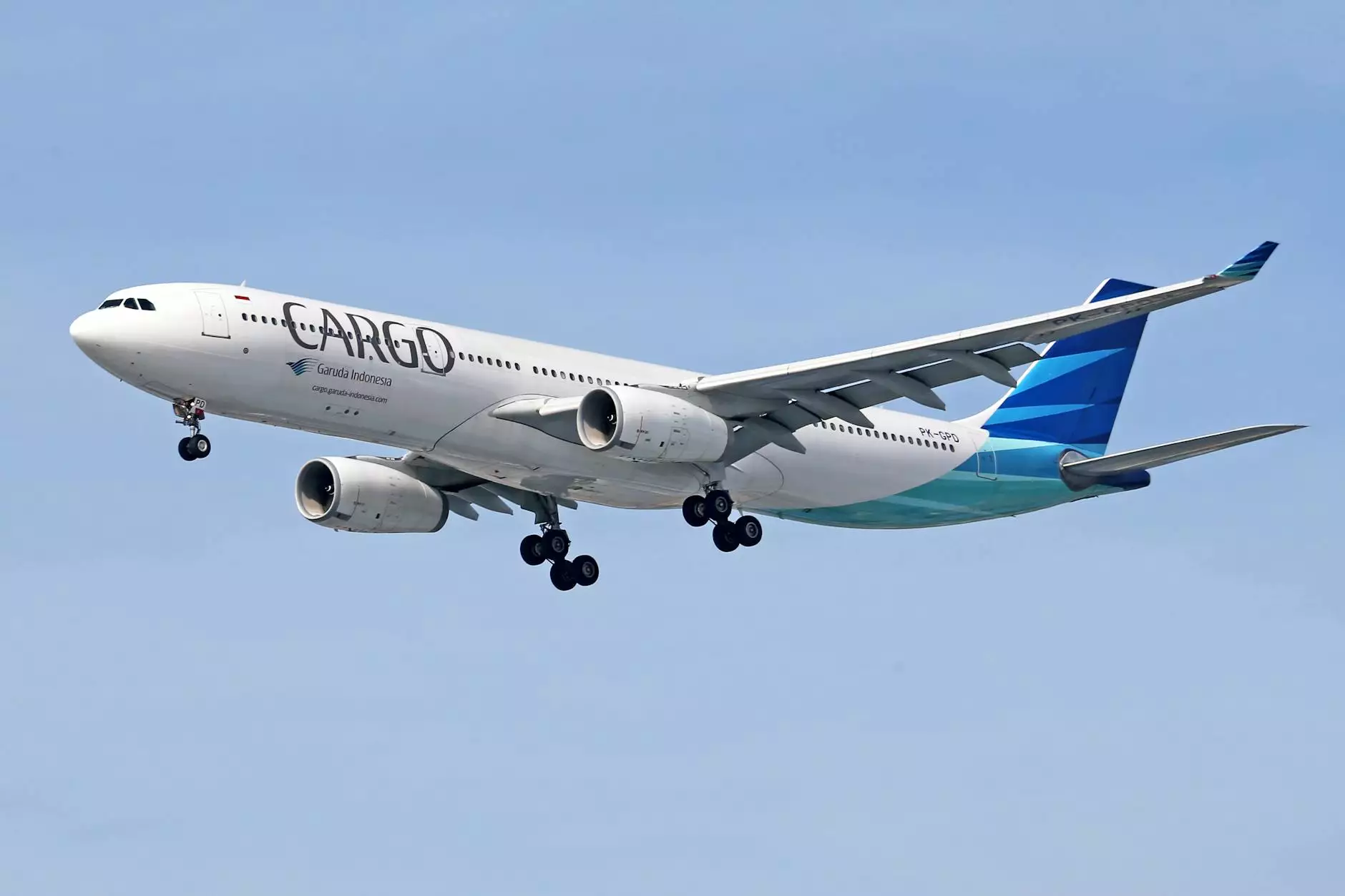
In the fast-paced world of logistics and transportation, the ability to track and trace air cargo shipments has become increasingly vital. This comprehensive guide will delve into the details of aircargo track and trace, exploring its significance, how it works, its benefits, and the key players in the industry such as shipping centers, transportation networks, and airports.
What is Aircargo Track and Trace?
Aircargo track and trace refers to the processes and technologies used to monitor and follow the movement of air cargo from its origin to its destination. This system enhances transparency, ensuring that all stakeholders involved in the transportation chain—shippers, freight forwarders, and customers—can access real-time information about their shipments.
How Does Aircargo Track and Trace Work?
The methodology behind air cargo tracking involves various advanced technologies. Here are the core components:
- Barcodes and QR Codes: Each shipment is assigned a unique barcode or QR code, which is scanned at various checkpoints during its journey. This allows for quick updates on the shipment's status.
- GPS Technology: Many logistics companies utilize GPS tracking to provide real-time geographical data about the shipment’s location.
- RFID Tags: Radio Frequency Identification (RFID) technology allows for automated tracking without direct line-of-sight scanning, increasing efficiency in monitoring cargo.
- Cloud-Based Tracking Systems: These platforms consolidate data from various sources, enabling shippers and customers to access comprehensive information online about their cargo.
The Benefits of Aircargo Track and Trace
Implementing an efficient aircargo track and trace system offers numerous advantages:
- Enhanced Visibility: Stakeholders can see the real-time status of shipments, which improves decision-making and customer communication.
- Increased Efficiency: Automated tracking minimizes delays caused by manual data entry and allows for streamlined operations.
- Risk Management: With better visibility comes the ability to assess risks and mitigate issues before they escalate. Companies can quickly react to unexpected delays or routing changes.
- Improved Customer Satisfaction: Customers appreciate being kept informed about their deliveries, and transparency leads to stronger trust and loyalty.
Key Players in Aircargo Logistics
The success of the aircargo track and trace process relies on the collaboration of various entities:
Shipping Centers
Shipping centers play a pivotal role in air cargo logistics. These facilities are responsible for sorting, storing, and distributing cargo. They provide:
- Load Planning: Efficient load planning ensures space optimization on aircraft, helping to reduce costs.
- Customs Clearance: Shipping centers assist businesses in navigating customs regulations, ensuring timely dispatch of cargo.
- Warehouse Management: Advanced inventory systems in shipping centers enhance tracking capabilities and facilitate smooth operations.
Transportation Networks
Transportation is not solely about air freight. Integrated networks often involve road, rail, and maritime transport, making it essential to have a cohesive tracking system that spans all modes. Key aspects include:
- Intermodal Transportation: This approach allows for seamless transitions between different transport methods, improving efficiency and reducing handling time.
- Last-Mile Delivery: Technology aids in tracking packages even during the last mile of delivery, which is critical for customer satisfaction.
Airports
Airports serve as critical junctions in the air cargo chain. They provide infrastructure and services essential for effective air cargo operations, including:
- Customs Facilities: Fast-tracking through customs for cargo that requires special regulations is vital for minimizing delays.
- Handling Services: Ground handlers play a significant role in loading and unloading cargo, and their efficiency impacts overall shipment timings.
Technological Advances in Aircargo Track and Trace
The logistics industry is witnessing rapid advancements in technology that can significantly enhance aircargo track and trace systems:
- Artificial Intelligence (AI): AI can analyze vast amounts of data to predict shipment delays and optimize routing decisions.
- Blockchain Technology: This technology ensures data integrity and security in tracking shipments, providing a tamper-proof record of all transactions.
- Big Data Analytics: Analyzing data patterns helps businesses anticipate trends, making forecasting more accurate.
Challenges of Aircargo Track and Trace
Despite the numerous benefits of aircargo track and trace, several challenges must be addressed:
- Integration of Systems: Many logistics companies still use legacy systems that are not compatible with modern tracking technologies.
- Data Privacy: Balancing the need for transparency with data protection is crucial, as sensitive information is often involved.
- Training and Adaptation: Staff training is essential to ensure proper use of new systems, which can demand time and resources.
Future Trends in Aircargo Track and Trace
Looking forward, the landscape of aircargo track and trace is expected to evolve through innovative trends:
- Increased Automation: As companies move towards fully automated tracking systems, operational efficiency will likely see significant improvements.
- Sustainable Practices: The logistics sector is progressively leaning towards sustainability, with tracking systems helping to optimize routes to reduce carbon footprints.
Conclusion
In summary, aircargo track and trace is an invaluable component in the field of logistics, providing critical insights and transparency throughout the shipping process. As technology continues to advance, the potential for improved efficiency and customer satisfaction grows. Companies that prioritize the implementation of effective tracking systems will undoubtedly gain a competitive edge in the ever-evolving landscape of air cargo logistics.
For more information, please visit cargobooking.aero.