Transform Your Workspace: The Ultimate Guide to Interior Design of Office Space
Introduction
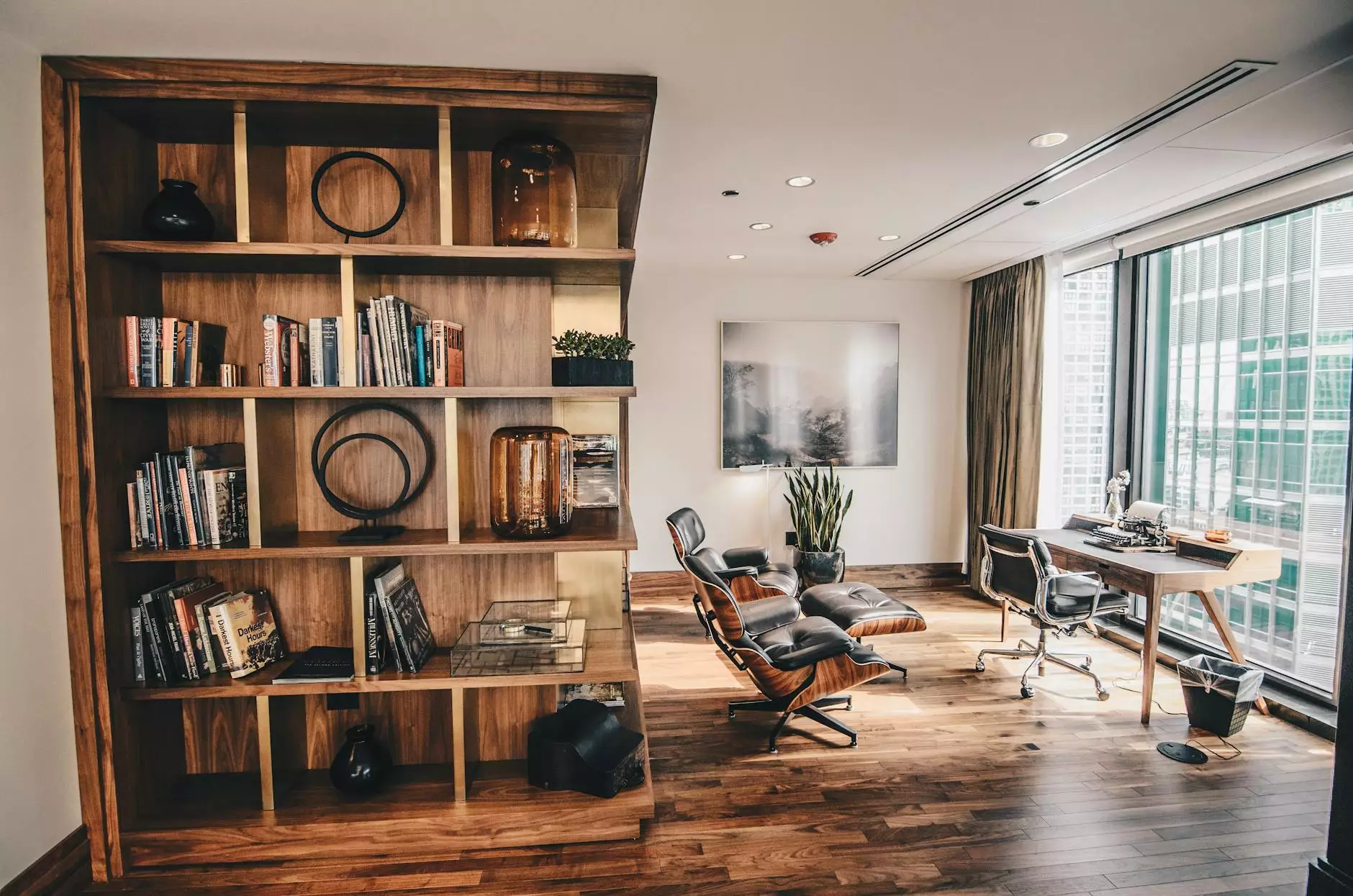
In today’s competitive business landscape, the interior design of office space plays a crucial role in enhancing productivity, fostering creativity, and promoting well-being among employees. A well-designed office not only reflects the company’s brand but also creates an inviting atmosphere that motivates teams. At Amodini Systems, we understand the importance of a thoughtfully designed workspace and are dedicated to providing top-notch office interior services in Delhi.
The Importance of Office Interior Design
Effective interior design goes beyond aesthetics; it is about creating an environment that works for both the organization and its employees. Here are several key reasons why proper office design matters:
- Enhanced Productivity: A well-organized office layout minimizes distractions and promotes focus, enabling employees to work more efficiently.
- Employee Well-Being: Natural light, ergonomic furniture, and the right color schemes can significantly improve mood and energy levels.
- Brand Representation: The office space serves as a physical embodiment of your brand. The design should reflect your company's values and mission.
- Collaboration and Communication: Open spaces and collaborative work areas facilitate teamwork and communication among employees.
Key Elements of Interior Design for Office Spaces
When considering the interior design of office space, several critical components come into play. Below, we break down these elements to ensure a comprehensive approach to your workplace design.
1. Space Planning
Effective space planning is paramount in creating a functional and efficient office layout. This involves:
- Mapping out the usage of space to maximize functionality.
- Creating zones for different activities, such as collaboration, quiet work, and relaxation.
- Considering employee movement patterns to reduce congestion and promote efficiency.
2. Ergonomic Furniture
Investing in ergonomic furniture is crucial for the comfort and health of employees. Proper furniture can help prevent injuries and promote better posture:
- Adjustable desks that allow for both sitting and standing positions.
- Chairs that provide lumbar support and encourage proper sitting posture.
- Collaborative furniture that fosters teamwork while allowing flexibility and creativity.
3. Lighting Design
Lighting significantly impacts the office atmosphere. A well-lit workspace improves morale and productivity. Key points to consider include:
- Utilizing natural light whenever possible through large windows or open layouts.
- Incorporating task lighting for specific areas to enhance focus.
- Utilizing ambient lighting to create a welcoming atmosphere.
4. Color Psychology
The colors used in an office environment can deeply influence employee emotions and productivity. Understanding color psychology is key to effective design:
- Blue: Promotes calmness and focus.
- Green: Enhances creativity and reduces stress.
- Yellow: Encourages optimism and enthusiasm.
5. Incorporating Technology
Modern offices need to integrate technology into their design seamlessly. Considerations should include:
- Overall office layout accommodating tech equipment.
- Up-to-date audiovisual systems for presentations and meetings.
- Wi-Fi accessibility and charging stations placed strategically throughout the space.
Trends in Office Interior Design
The office interior design landscape is continually evolving. Here are some trends making waves today:
1. Biophilic Design
The biophilic design trend incorporates nature into the workspace. Features may include:
- Indoor plants that purify air and enhance aesthetic appeal.
- Natural materials like wood and stone.
- Views of outdoor greenery to reduce stress levels and improve employee happiness.
2. Flexible Workspaces
With the rise of remote work, designing flexible workspaces that accommodate various working styles has become essential. This includes:
- Open areas that can be reconfigured for different needs.
- Dedicated spaces for solo work, meetings, and collaborative projects.
3. Sustainability
More companies are focusing on sustainability in their office interior design. Key aspects include:
- Using energy-efficient lighting and HVAC systems.
- Choosing sustainable materials and products.
- Implementing recycling stations and promoting a paperless environment.
Steps to Achieve the Perfect Office Interior
Transforming your office space requires careful planning and execution. Here’s a step-by-step guide:
Step 1: Define Your Goals
Identify what you want to achieve with your office interior design. This could include enhancing productivity, improving employee satisfaction, or showcasing your brand identity.
Step 2: Assess Your Current Space
Take inventory of your existing office space. Evaluate what works, what doesn’t, and what can be improved.
Step 3: Create a Budget
Your budget drives your design choices. Determine how much you can allocate for furniture, decor, and renovations.
Step 4: Partner with Professionals
Engaging professionals who specialize in the interior design of office space can help bring your vision to life. Consider seeking experienced designers like Amodini Systems for expert consultation.
Step 5: Design and Implement
Work with your designer to select furniture, choose color palettes, and finalize layouts. Once approved, implement the changes in phases to minimize disruption to daily operations.
Conclusion
Investing in the interior design of office space is a strategic decision that pays dividends in the long run. It cultivates a productive, creative, and healthy workplace that not only attracts top talent but also retains them. By staying informed on current trends and understanding the needs of your employees and business, you can create a workspace that is both functional and inspiring. At Amodini Systems, we are committed to transforming workspaces in Delhi, ensuring a perfect blend of style and functionality. Contact us today to embark on your journey to a beautifully designed office!