Understanding Salpingo-Oophorectomy Bilateral: A Comprehensive Guide
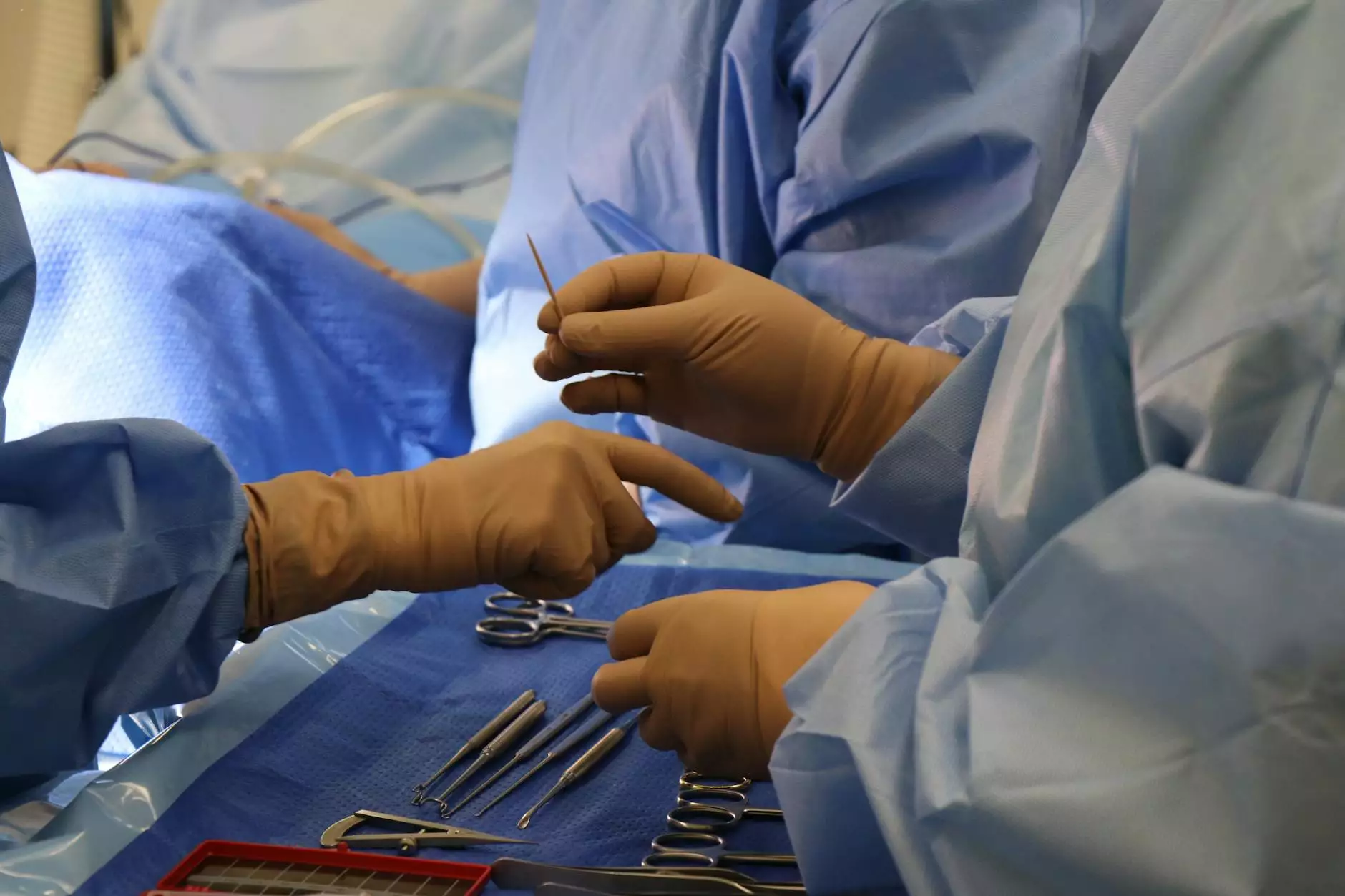
The term salpingo-oophorectomy bilateral refers to a surgical procedure that involves the removal of both ovaries and both fallopian tubes. This operation is often a crucial treatment option for various gynecological conditions. In this article, we will explore the indications, procedure, benefits, risks, and recovery process associated with this significant surgery.
What is Salpingo-Oophorectomy Bilateral?
Salpingo-oophorectomy bilateral is a surgical procedure typically performed by an obstetrician-gynecologist. It is classified as a major surgery due to its invasive nature. The surgery may be performed through an abdominal incision (open surgery) or minimally invasively using laparoscopic techniques. The decision to perform this surgery can be based on several medical factors.
Indications for the Procedure
This surgery is commonly indicated for the following conditions:
- Ovarian Cancer: The most common reason for performing a bilateral salpingo-oophorectomy is the presence of ovarian cancer.
- Endometriosis: Severe endometriosis that does not respond to other treatments may necessitate the removal of the ovaries and fallopian tubes.
- Gynecological Disorders: Cases such as chronic pelvic pain or abnormal growths in the reproductive organs might lead to this procedure.
- Prophylactic Measures: Women with a high genetic risk for breast or ovarian cancer, such as BRCA1 or BRCA2 mutation carriers, may opt for this surgery to reduce their cancer risk.
The Surgical Procedure
The process of salpingo-oophorectomy bilateral usually involves several stages:
Preoperative Preparation
Prior to surgery, patients will undergo a comprehensive assessment including:
- Medical History Review: Discussing past medical and surgical history is critical in planning the surgery.
- Physical Examination: A thorough examination helps the physician assess the necessity of the procedure.
- Imaging Tests: Ultrasounds, CT scans, or MRIs may be used for visual confirmation of conditions necessitating surgery.
- Laboratory Tests: Blood tests, including complete blood count and coagulopathy profiles, are routinely performed.
During the Surgery
The actual surgical procedure can vary based on the method employed:
- Open Surgery: An incision is made in the abdomen to access the ovaries and fallopian tubes.
- Laparoscopic Surgery: Smaller incisions are made, and a camera is introduced, allowing the surgeon to remove the ovaries and tubes with specialized instruments.
The surgery typically lasts 1 to 3 hours, depending on the specific circumstances and the surgeon's expertise.
Benefits of Bilateral Salpingo-Oophorectomy
Patients considering salpingo-oophorectomy bilateral may experience several benefits, including:
- Cancer Risk Reduction: It significantly lowers the risk of ovarian and breast cancer in high-risk women.
- Relief from Symptoms: For women suffering from severe endometriosis or other chronic gynecological issues, this surgery can bring substantial symptom relief.
- Improved Quality of Life: Removing diseased organs can improve overall health and well-being.
Risks and Considerations
As with any major surgical procedure, there are risks involved:
- Anesthesia Risks: Potential allergic reactions or complications related to anesthesia used during surgery.
- Infection: Any surgical procedure carries the risk of infection.
- Bleeding: Significant bleeding may require a blood transfusion or further surgical intervention.
- Hormonal Changes: Removal of the ovaries induces menopause in premenopausal women, which can lead to symptoms such as hot flashes, night sweats, and mood changes.
Recovery Process
The recovery from a salpingo-oophorectomy bilateral can vary widely between individuals, influenced by factors such as the surgical method used, the patient's overall health, and the presence of any complications.
Initial Recovery
Patients can expect:
- Hospital Stay: Most patients will stay in the hospital for 1 to 3 days post-surgery.
- Pain Management: Pain control will be managed with medications as needed.
- Activity Restrictions: Patients are usually advised to limit physical activities, especially lifting, for several weeks.
Long-Term Recovery
After returning home, the recovery focuses on:
- Follow-Up Appointments: Regular check-ups with the surgeon to monitor healing.
- Hormone Replacement Therapy: For some women, especially younger than 50, hormone therapy may be recommended to manage menopause symptoms and maintain health.
- Emotional Support: Counseling or support groups can be beneficial for those facing emotional changes due to surgical menopause.
Conclusion
In summary, salpingo-oophorectomy bilateral is a significant surgical procedure with profound implications for women facing certain health conditions. Understanding the procedure, its benefits, and risks is crucial for patients considering this option. Before proceeding, it's important to discuss with a healthcare provider to ensure this surgery aligns with personal health goals and circumstances.
For Further Assistance
If you are considering a salpingo-oophorectomy bilateral, or have questions regarding your specific situation, please reach out to the experts at Dr. Seckin's Practice. Their team specializes in comprehensive gynecological care and is dedicated to providing the most appropriate medical solutions for your health needs.
salpingo oophorectomy bilateral